Why Indian knits are winning European high-street orders in 2026
 Written by the Satyam Exports merchandising team, Noida
Five years ago, if a European high-street buyer wanted 50,000 organic tees, India was rarely the first call. This year three of our largest knit programmes came from buyers who moved them here. This is what changed.
1. Organic cotton at real scale
India grows roughly half the world’s organic cotton, and the Tiruppur–Coimbatore belt spins and knits it within 200 km of the farms. That means GOTS single jersey at 180 GSM is a stock article for us, not a special development — with transaction certificates that survive a retailer’s audit.
2. Duty and proximity
Indian garments enter the EU under the GSP scheme at reduced duty when the rules of origin are met. Mundra to Rotterdam is four weeks by sea; Delhi to Frankfurt is nine hours by air for the first drop. The landed-cost gap with Bangladesh has narrowed to a few percent on basics — and reversed on anything printed, embroidered or made in organic cotton.
3. Vertical control
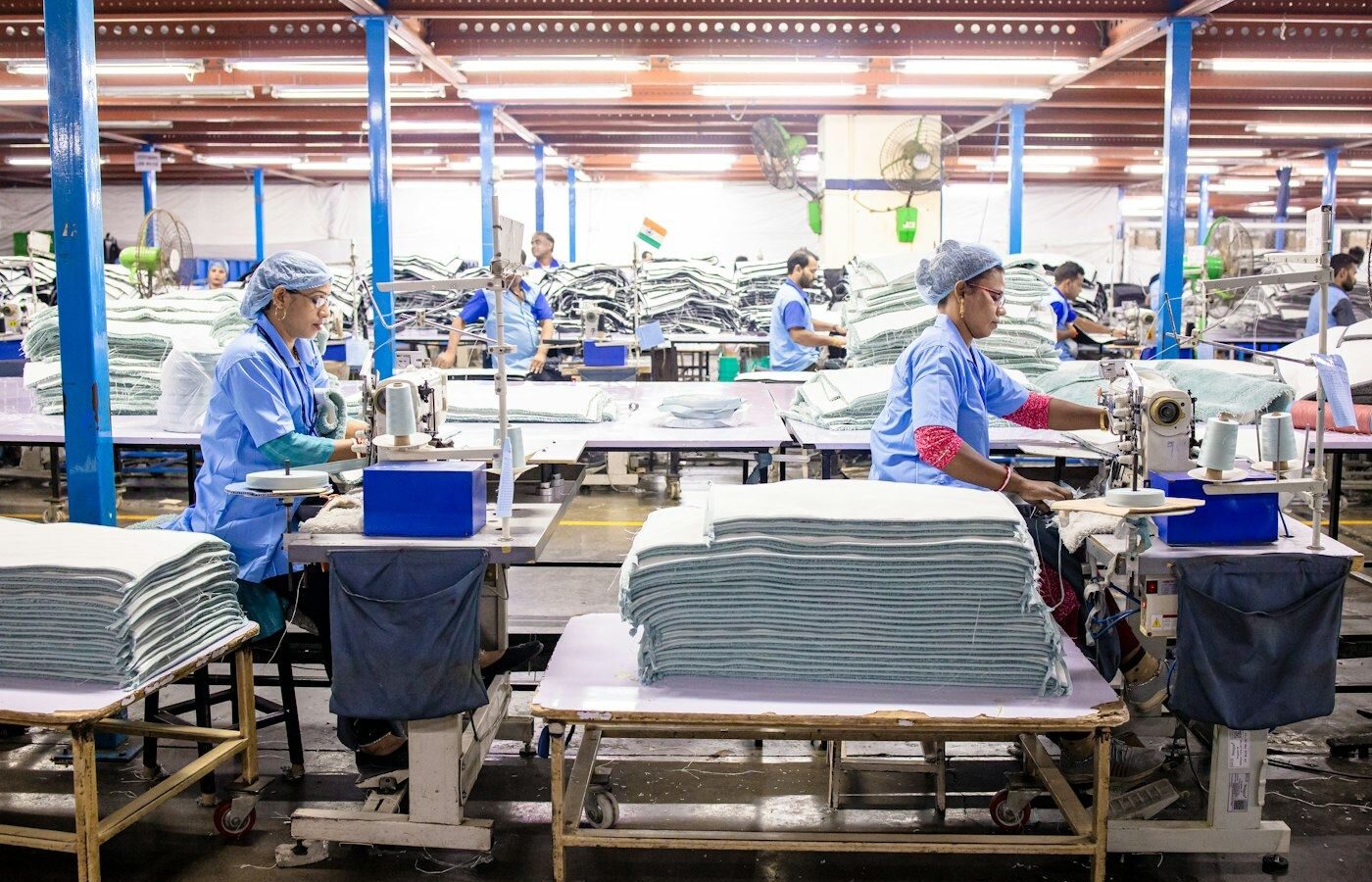
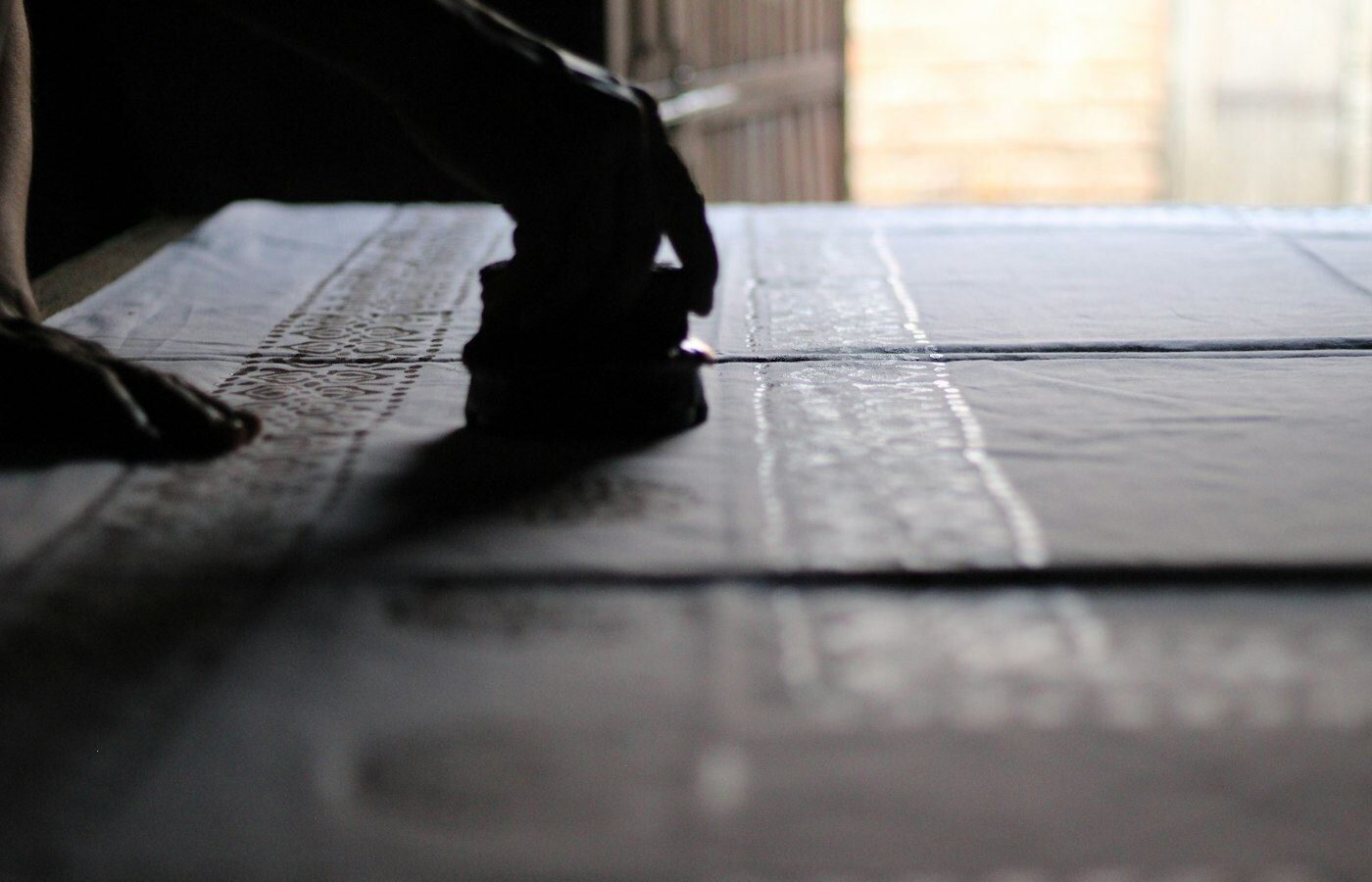
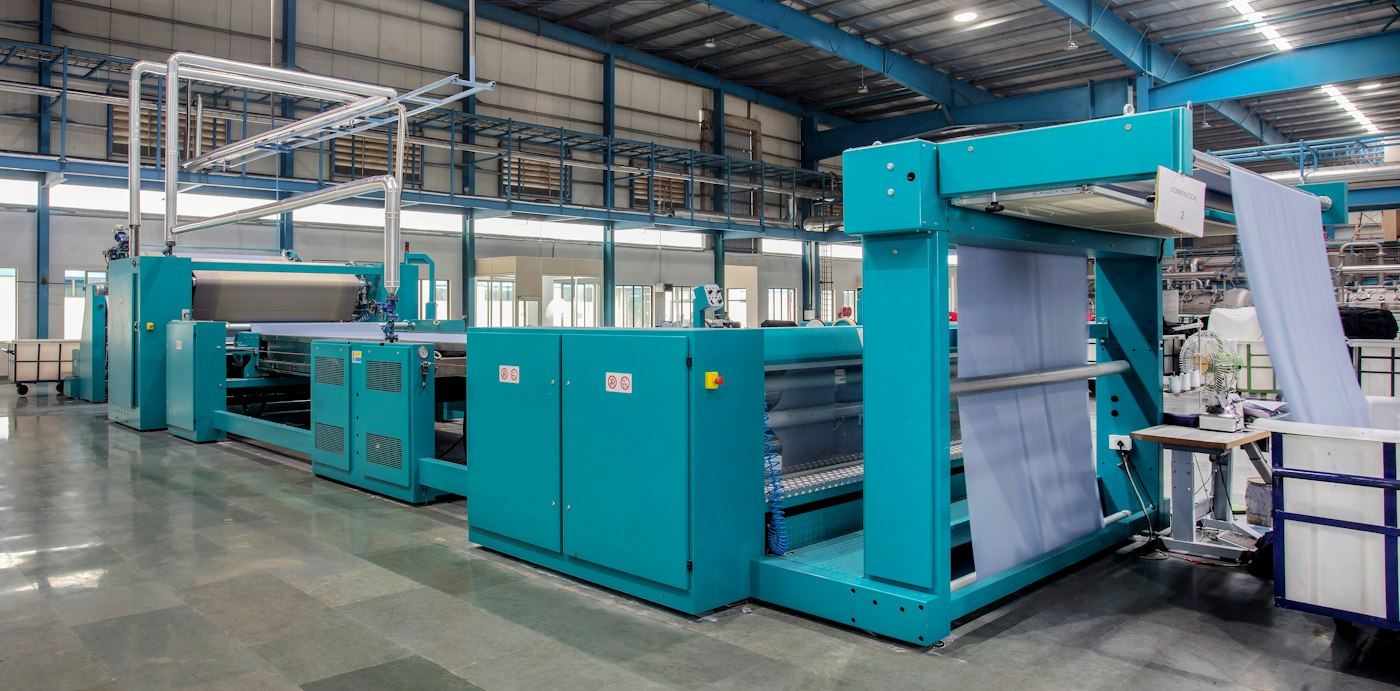
A tee programme touches yarn, knitting, dyeing, printing and stitching. Where those live under one roof — or one merchandiser — approvals move in days, not weeks. Our knit division runs its own printing (screen, discharge, puff) and embroidery, so a 12-colour, 6-artwork programme has one point of contact.
What buyers are actually ordering
- Heavyweight (220–260 GSM) boxy tees and oversized sweatshirts — the streetwear silhouette has reached the high street.
- Garment-dyed and pigment-washed fleece in muted earth tones.
- Rib and interlock sets for kids, GOTS Class I, with printed neck labels instead of woven ones.
- Fine-gauge cotton sweaters as a cheaper, washable alternative to merino.
The two things India still has to get right
Consistency of shade across dye lots. Our answer is lab-dip approval per colour, a shade band signed by the buyer and dye-lot segregation through stitching. Delivery discipline around festivals. Our answer is a production calendar that treats Diwali week as a full stop and books capacity accordingly — and telling buyers so in the costing, not the week before.
A worked example
A Dutch lifestyle label moved a 24,000-piece organic tee programme to us in 2025: 6 styles, 8 colours, 3 artworks. Landed cost came in 4% below their previous supplier, lead time fell from 16 to 11 weeks on repeats, and the GOTS TC arrived with the shipping documents rather than three weeks after. They have doubled the programme for 2026.
Ready to brief us?
Send your tech pack, a sketch or even a photo of a garment you love through the enquiry form — or WhatsApp it to our merchandising desk in Noida. You will have a line-by-line costing within 48 hours and a first sample in 7–10 working days.