Bagru, Sanganer, Ajrakh: a buyer’s guide to Indian hand-block prints
 Written by the Satyam Exports merchandising team, Noida
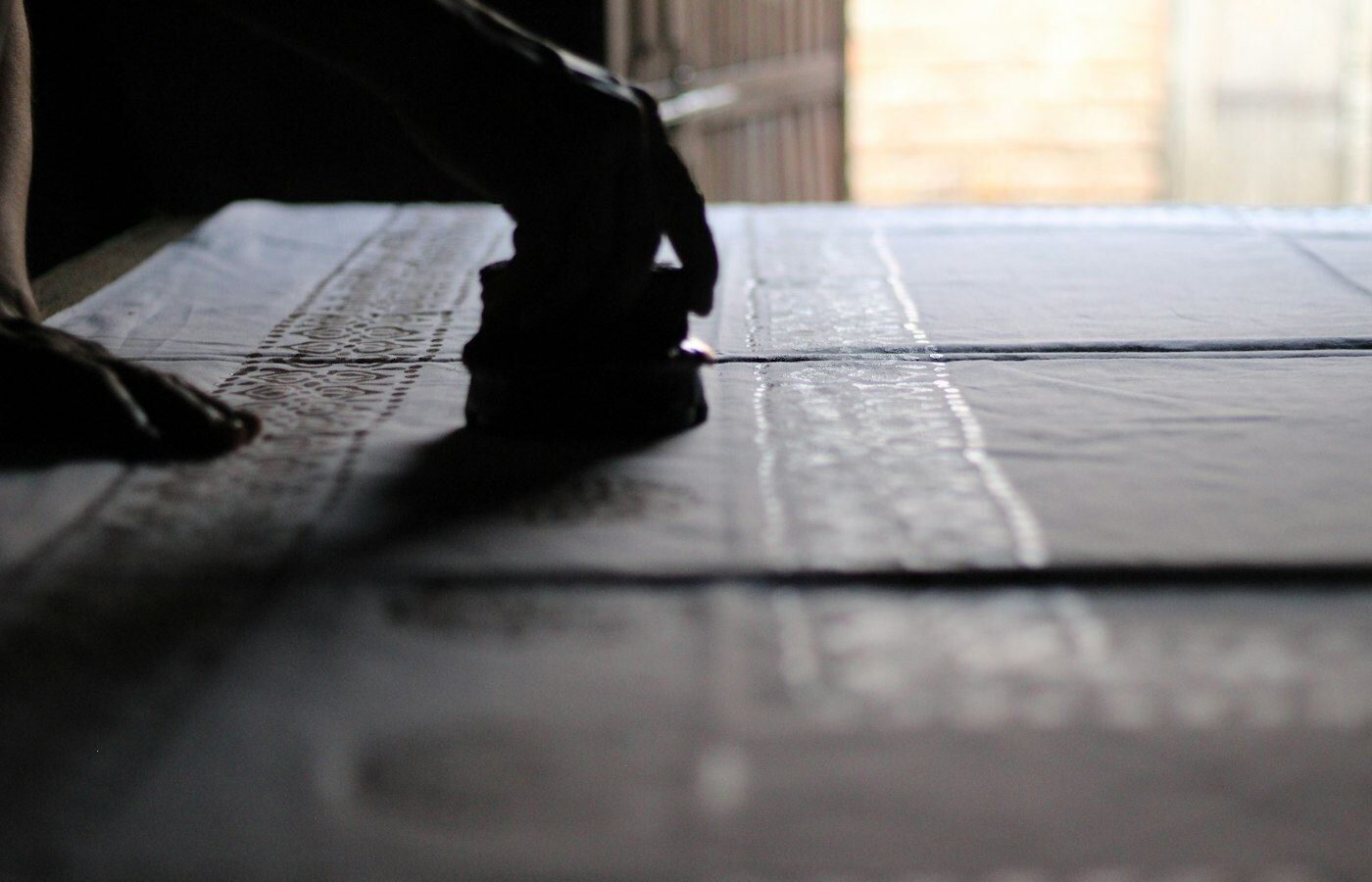
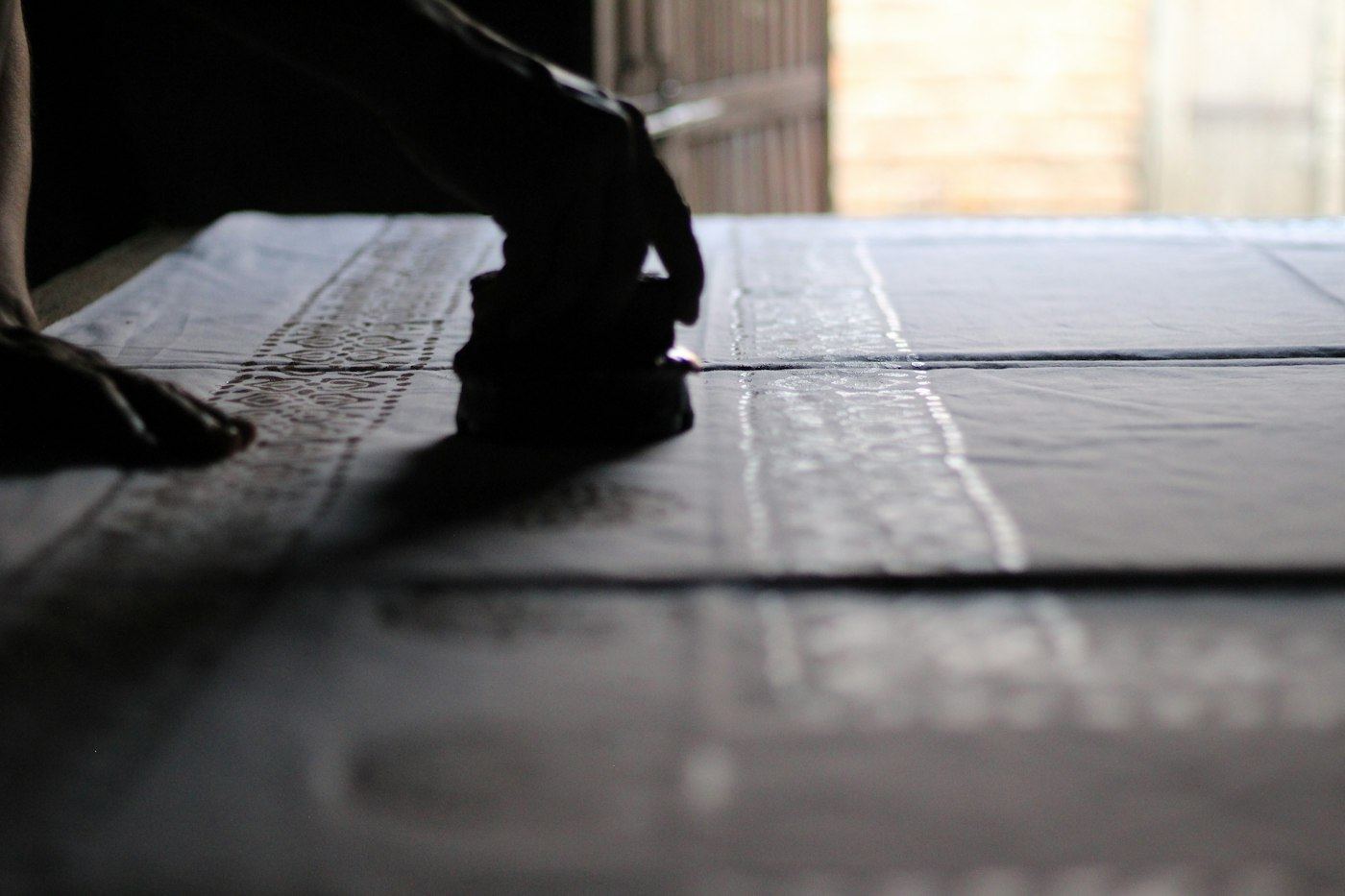
Hand-block printing is India’s most exported craft and its most misunderstood. Buyers ask for “block print” the way they might ask for “floral”. But Bagru, Sanganer and Ajrakh are different techniques, from different communities, with different lead times and price points. Here is how we brief them.
Bagru — the earthy one
Thirty kilometres from Jaipur, Bagru printers work with natural dyes: indigo, madder red, iron-black and a mud-resist (dabu) that gives the print its soft, slightly blurred edge. Colours are muted, backgrounds are often dyed rather than white, and every metre shows the hand. Best for: dresses, kurtas, scarves and home textiles where the imperfection is the point. Lead time for a new block: about 30 days; printing 300 metres: 7–10 days in dry weather. Monsoon slows everything.
Sanganer — the fine one
Sanganer, on Jaipur’s southern edge, prints fine, delicate florals — butas and bels — in bright colours on white grounds. Traditionally it used vegetable dyes; today most commercial Sanganeri work uses pigment or reactive colours for wash-fastness, which we recommend for export. Best for: co-ords, shirts, children’s wear and anything that needs a clean white ground. Screen versions of Sanganeri designs are common and cost 30–40% less than hand-block.
Ajrakh — the geometric one
From Kutch in Gujarat (and Sindh across the border), Ajrakh is a resist-print in deep indigo and madder, built from repeated geometric stars and trellises. A true Ajrakh cloth goes through 14–16 stages of washing, resist, mordanting and dyeing over two to three weeks. Best for: statement dresses, stoles and menswear. It is the most expensive of the three and the slowest — plan a season ahead.
Cost and quantity, honestly
- Hand-block printing adds roughly ₹90–₹220 per metre depending on the number of blocks and colours.
- Natural-dye Bagru needs a 200-metre minimum per colourway; pigment Sanganeri can go lower.
- Authentic Ajrakh is realistic at 100–300 pieces, not 3,000. For volume, we develop an Ajrakh-inspired screen print (see our Ajrakh shirt dress) and say so on the label.
What to expect in the fabric
Slight shade variation between metres, occasional block joins and a hand-feel that changes after the first wash. Brief your QC and your customers: it is a feature. We photograph every lot before stitching so you can approve the variation range.
How we run a print development
Mood images from you → block sketch from the printer (7 days) → carved block and strike-off (14–21 days) → your approval → 300–500 m production run → cutting. We pay printers directly and can share their names; several have been with us since 2006.
Ready to brief us?
Send your tech pack, a sketch or even a photo of a garment you love through the enquiry form — or WhatsApp it to our merchandising desk in Noida. You will have a line-by-line costing within 48 hours and a first sample in 7–10 working days.